
Glossary
- Bankruptcy: the state of being bankrupt. Bankruptcy is a legal proceeding initiated when a person or business is unable to repay outstanding debts or meet their financial obligations. It can offer a fresh start for people who can no longer afford to pay their bills with some serious consequences including harm to one’s credit score.
- Breadwinner: A member of a family whose wages supply the family’s primary or only means of income or financial support
- Canada Child Benefit (CCB): Monthly tax-free payment for eligible families to help with the cost of raising children (under 18 years of age) offered by the Federal Government. If a victim-survivor lives in Quebec, she must file her application for the provincial family allowance directly with Retraite Québec as this program is not administered by CRA.
- Child Disability Benefit (CDB): Tax-free monthly payment for families with minor children with severe and prolonged impairment in physical or mental functions offered by the Federal Government.
- Canada Workers Benefit (CWB): Annual tax credit on one’s return of a maximum basic amount of $1,395 CAD for individuals and $2,403 CAD for families offered by the Federal Government
- Coercive debt: Coerced debt is debt incurred by an abuser, in the name of a victim of economic abuse or domestic violence, through threat, force, or fraud. It is a form of coercive control, identity theft, and economic abuse. Some examples would be taking out a loan, mortgage or credit card in your name or using your credit card without your permission or knowledge, putting you in a situation where you have debt you didn’t consent to.
- Community Volunteer Income Tax Program (CVITP): community organizations host free tax clinics where volunteers file tax returns for people with a modest income and a simple tax situation.
- Debt: A debt is something that one owes to another. While debt can take many forms, the term usually refers to money owed. It is a state of being under obligation to pay or repay someone or something in return for something received.
- Disability Tax Credit (DTC): a non-refundable tax credit for people with physical or mental impairments that offsets some of the costs and reduces income taxes offered by the Federal Government.
- Domestic Violence (also known as “intimate partner violence” or IPV: violent or abusive behavior directed by one family or household member against another. Domestic Violence or IPV can include:
- Physical Abuse: intentional or threatened use of physical force, including pushing, hitting, cutting, punching, slapping, shoving, strangulation
- Criminal Harassment (also referred to as stalking): repeated conduct that creates fear for one’s safety or the safety of a loved one. The repeated conduct can include making threats, obscene phone calls, following, watching, tracking, contacting on the Internet, including through texts or email messages
- Sexual Violence: sexual acts without consent, threats of repercussions for refusing sexual activity, forcing someone to watch or participate in the making of pornography, sexually degrading language and belittling sexual comments
- Emotional /Psychological Abuse: insults, belittling, constant humiliation, intimidation, threats of harm, threats to take away children, harm or threat of harm to pets
- Financial Abuse: Controlling finances, stealing money, or coercing someone into debt
- Economic Abuse: Financial Abuse plus controlling other resources such as housing, food, transport and employment. Economic abuse and financial abuse involve similar behaviours, but it can be helpful to think of financial abuse as a subcategory of economic abuse. Economic abuse encompasses the many ways that an abuser may control someone’s economic situation, including employment and housing
- Spiritual Abuse: using a partner’s spiritual beliefs to manipulate, dominate or control them
- Reproductive Coercion: controlling reproductive choices, pregnancy outcomes and/or access to health services
- Coercive Control: patterns of control and abuse that cause fear or terror, including coercion (using force and/or threats to alter behaviour) and control (regulating or dominating a partner’s behaviour and choices, isolating a person from family and friends, and restricting access to employment, education or medical care)
- Technology-Facilitated Violence (also referred to as cyberviolence or cyberabuse): use of technologies to facilitate virtual or in-person harm including observing and listening to a person, tracking their location, to scare, intimidate or humiliate a person
- GST/HST credit: The goods and services tax/harmonized sales tax (GST/HST) credit is a quarterly tax-free payment that supports low-income individuals and families to offset the GST or HST offered by the Federal Government.
- Poverty: refers to the intersection of low income and other dimensions of ‘social exclusion’, including things such as access to adequate housing, essential goods and services, health and well-being and community participation.
Unlike other countries, Canada has no official, government-mandated poverty line. Canada uses the following three indicators (low income cut-offs, market basket measure, low income measure) to assess and understand poverty:
-
- Low income cut-offs: The Low Income Cut-offs are income thresholds below which a family will devote a larger share of its income on the necessities of food, shelter and clothing than the average family. A family is considered low income if it spends 20 percentage points more on these necessities than the average family. It is a relative measure of low income.
- Market basket measure: The Market Basket Measure defines low income based on a specific set of goods and services that represent a basic standard of living. A family is considered low income if it does not have enough money to buy these specific goods and services in its community. It is an absolute measure of low income.
- Low income measure: The Low Income Measure defines low income as being below a fixed percentage of income. A household is considered low income if its income is below 50% of median household incomes. It is, therefore, a relative measure of low income.
- Homelessness: the temporary or permanent state of having no home or permanent place of residence. In Canada, “homelessness” is defined as “the situation of an individual, family, or community without stable, safe, permanent, appropriate housing, or the immediate prospect means and ability of acquiring it”
- Loopholes: a technicality that allows one to get around or escape violating the law through some activity. Common loopholes are found in taxes and avoiding paying taxes, as well as with political issues such as political donations.
- Protective Order: a court order made by a judge to help protect one person from another. A protection order lists conditions for a named individual or abuser to follow that may require that individual to have no contact, or limited contact, with the person being protected or that person’s children and/or family
- Psychological Warfare: psychological tactics that are used to disempower or induce fear and trauma in someone to render them compliant with the demands of the individual or group that is perpetrating the abuse
- Partner: one member of a couple; a person with whom one shares an intimate relationship, conjugal partnership, marriage, common law partnership
- Quebec Income Tax Assistance – Volunteer Program: Program that calls on hundreds of community organizations and volunteers to help people who need assistance completing their income tax returns and who cannot afford the services of a professional. The program is jointly administered by the Canada Revenue Agency and Revenu Québec.
- Under the table: Receiving wages or pay in an undocumented fashion, typically in cash, without official payslips, reporting to the government or withholding and payment of taxes. Often associated with, but not limited to, low-skill or labour jobs (i.e. waitressing, housekeeping, manual labor) and not having legal status in a country of residence
Enter your PIN
Search


Trending Interiors: beige tones
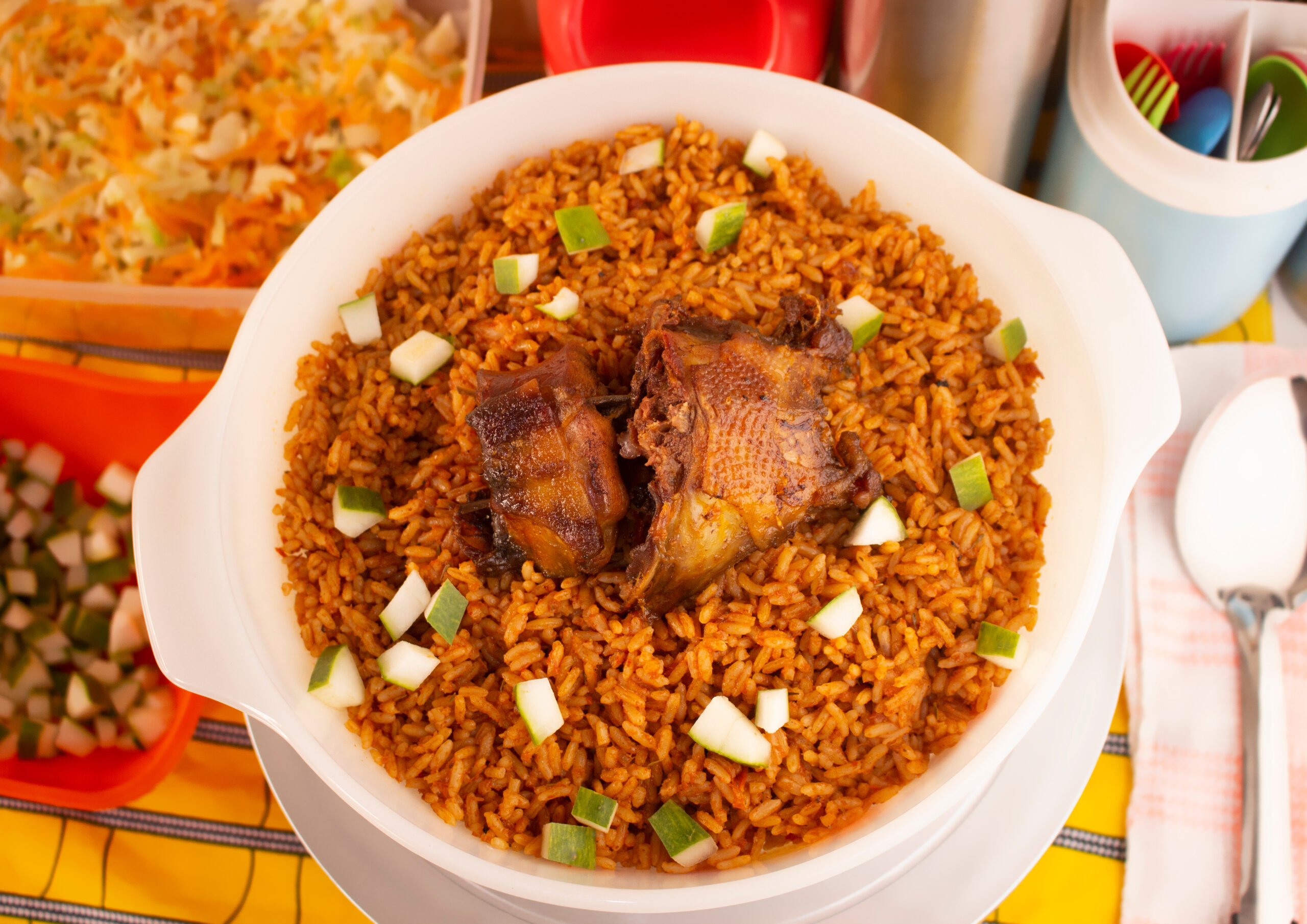

Family Style Jollof Rice for your next gathering

Easy To-Go Breakfast


Fun DIY Packaging for your next big event


10 MUST TRY recipes for a gathering with friends

10 MUST TRY recipes for a gathering with friends


Top travel destinations for backpackers


Minimalism Decor Trend 2023
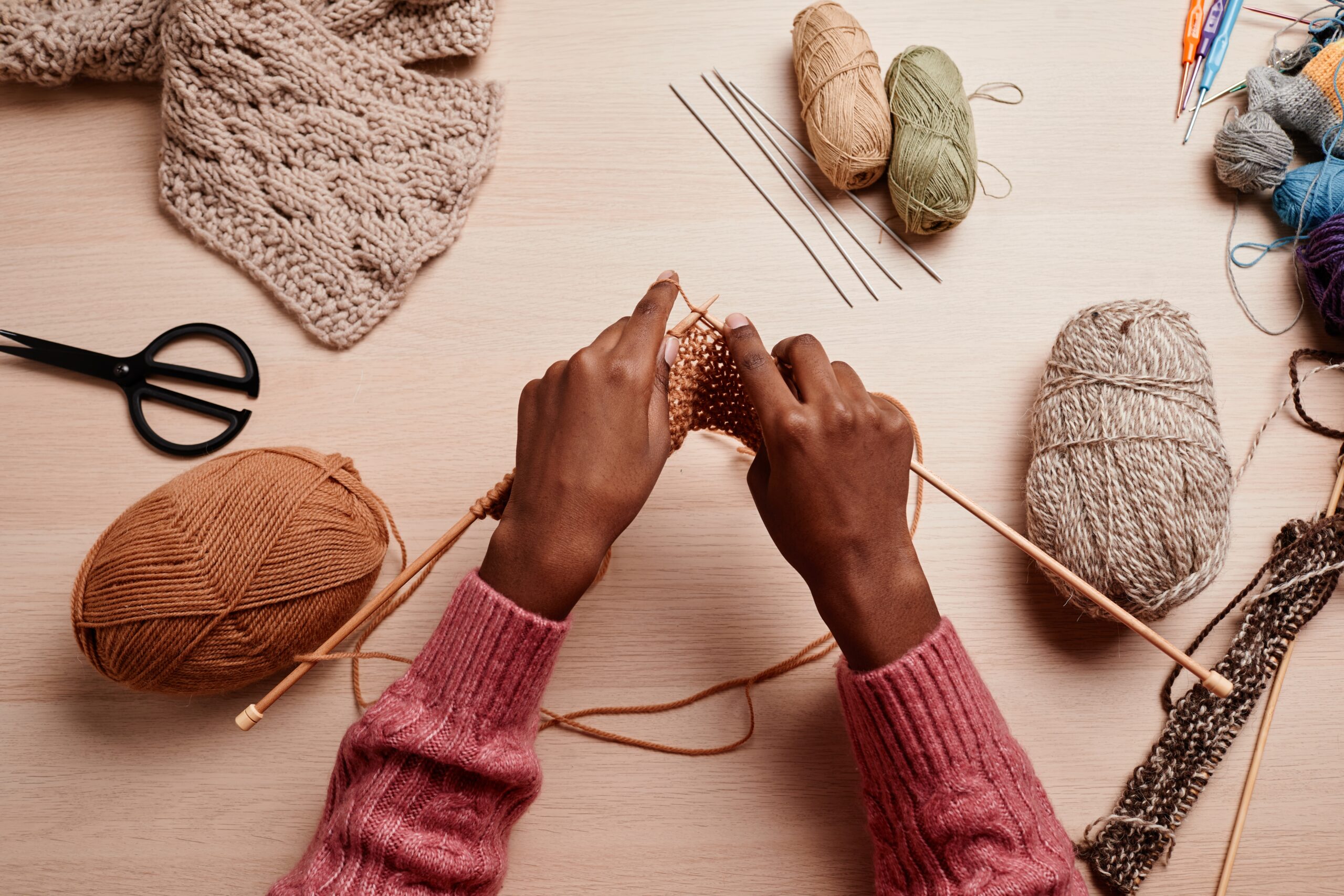

EASY: Follow Along Sweater Pattern


Cozy Chunky Knits Catalogue

Cozy Chunky Knits Catalogue

Cozy Chunky Knits Catalogue

DIY Event Decor: Beginner

Minimalism Decor Trend 2023

Couches for every type of living room
